
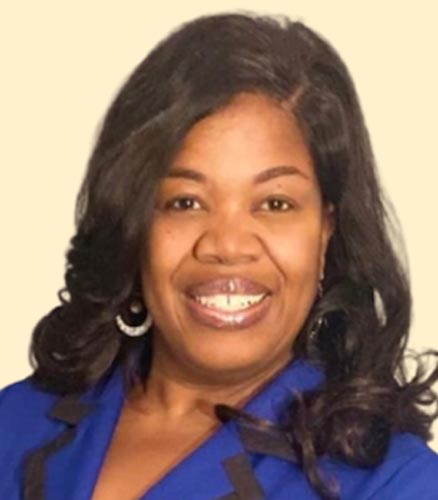
Ackles, Janene
Meet the Candidate
Party Legend
- DDemocrat
- GGreen
- LLibertarian
- RRepublican
- UUnaffiliated
Running For:
NC HouseDistrict:
43Political Affiliation:
DCandidate Website:
https://www.electackles.com/Survey
Response Legend
- YYes
- NNo
- UUndecided
- WView Candidate Comments
- −No response given by candidate
- *Comment provided, see Candidate page
| Question | Response | Comments/Notes |
|---|---|---|
| 1. Should North Carolina parents who choose to educate their children in a non-public school be eligible to receive a state-funded scholarship grant to assist with the cost of tuition and fees? | N* | Parents have the right to choose the educational setting they believe is best for their children, including private and non-public schools. However, I do not believe state-funded scholarships should be provided without reasonable eligibility standards, particularly to families who can already afford private-school tuition. Public funds should be targeted toward students who face financial, academic, developmental, or other barriers and who may genuinely benefit from an alternative educational environment. Priority should be given to lower- and middle-income families, students with special educational needs, and children whose current school setting is not meeting their needs. School choice should remain available, but taxpayer-funded scholarships should be based on demonstrated need, appropriate income guidelines, and accountability for how public dollars are usednot simply on a family's preference to leave the public school system. |
| 2. Should the N.C. General Assembly authorize non-tribal commercial gambling casinos in North Carolina? | U* | I understand that commercial casinos could create jobs, generate additional tax revenue, and contribute to economic development in some communities. However, I also have concerns about the potential social and economic consequences of expanded gambling, including problem gambling, financial hardship, and the impact on families and local communities. Before supporting the authorization of non-tribal commercial casinos in North Carolina, I would want to carefully review the proposed locations, regulatory structure, projected economic benefits, community impact, and protections for individuals affected by problem gambling. Any decision should be based on whether the long-term benefits to North Carolina communities clearly outweigh the potential costs. |
| 3. Should abortion be prohibited in North Carolina once a fetal heartbeat is detected? | N* | Decisions about pregnancy and abortion are deeply personal medical decisions that should be made by the individual in consultation with their healthcare provider, based on their health, circumstances, and medical needs. I do not believe the government should impose a blanket prohibition based solely on the detection of a fetal heartbeat. Every pregnancy is different, and complicated medical situations cannot always be addressed fairly through one-size-fits-all legislation. Patients and qualified medical professionals should have the ability to make appropriate healthcare decisions without unnecessary government interference. |
| 4. Should North Carolina voters be required to show a photo ID in order to vote in North Carolina? | * | I believe voters should be required to verify their identity when voting, and photo identification can be a reasonable way to do that. However, voter ID requirements should never become a barrier that prevents eligible North Carolinians from exercising their right to vote. The state should provide accessible alternatives for voters who may not have a traditional photo ID, including free identification, reasonable verification options, and accommodations for seniors, people with disabilities, low-income residents, and others who may face difficulty obtaining identification. Election security and voting access should work together. We can protect the integrity of our elections while also ensuring that every eligible voter has a fair and practical way to cast a ballot. |
| 5. Should the N.C. General Assembly legalize the use of marijuana for medical purposes? | Y* | I support legalizing marijuana for legitimate medical purposes when it is recommended or prescribed by a qualified healthcare professional as part of a patients treatment plan. However, medical marijuana should be carefully regulated to protect patients and ensure it is used appropriately. North Carolina should establish clear standards for qualifying medical conditions, provider oversight, dosage and product safety, licensing, distribution, and enforcement. The goal should be to give patients access to treatment options that may improve their health or quality of life while maintaining strong safeguards against misuse and ensuring accountability throughout the system. |
| 6. Should state nondiscrimination laws include "sexual orientation" and "gender identity" as protected classifications? | Y* | I believe state nondiscrimination laws should protect individuals from discrimination based on sexual orientation and gender identity. People should not be denied employment, housing, services, or other basic opportunities because of who they are. Our focus should be on whether a person is qualified to do a job, can meet the responsibilities of a lease, or is otherwise eligible for the opportunity being offerednot whether their personal life fits someone elses definition of traditional. Every North Carolinian deserves to be treated fairly, with dignity and respect, and to have equal access to the basic opportunities necessary to live and support themselves and their families. |
| 7. Should biological male students who identify as female be allowed to participate on female sports teams? | N* | No, not generally in sex-specific competitive sports. I believe every student should be treated with dignity and respect and should have meaningful opportunities to participate in school activities and athletics. At the same time, I believe female sports should remain a protected competitive category to help preserve fairness and opportunities for female athletes. It is also important to keep the issue in perspective. Before North Carolina changed its policy, the NCHSAA reported fewer than 10 requests over nearly a two-year period from transgender students seeking participation under its gender-identity policy statewide. This was an extremely small number of students. Schools should continue working to provide appropriate athletic opportunities, including coed or recreational options where possible, so that transgender students are not excluded from participation altogether. |
| 8. Should organizations that provide abortions be allowed to receive state funds? | Y* | Organizations that provide abortion services should not automatically be excluded from receiving state funds simply because abortion is one of the healthcare services they provide. These organizations often provide a broader range of essential healthcare services, including preventive care, screenings, reproductive healthcare, education, and treatment. Funding decisions should be based on the services being provided, the needs of patients, and compliance with state and federal requirements. Abortion is a healthcare matter, and patients should have access to safe, appropriate medical care from qualified healthcare professionals. State policy should focus on ensuring quality healthcare and patient safety rather than denying funding solely because an organization provides abortion services. |
| 9. Should North Carolina law allow a medical professional to assist another person in ending their life? | U* | Undecided. I understand the deeply personal and compassionate arguments on both sides of this issue. I believe individuals facing terminal illness deserve dignity, quality medical care, pain management, and a meaningful voice in their end-of-life decisions. At the same time, I have concerns about protecting vulnerable patients from coercion, abuse, or decisions made without adequate medical and mental health safeguards. Before supporting a change in North Carolina law, I would want to carefully review the medical, ethical, and legal implications, hear from healthcare professionals, patients, families, disability advocates, and other stakeholders, and examine how other states have addressed the issue. |
| 10. Should a health care practitioner, who is present at the time a child is born alive after a failed abortion attempt, be required by state law to exercise the same degree of skill, care, and diligence to preserve the life and health of that child as would be expected for any other child born alive at the same gestational age? | Y* | Once a child is born alive, regardless of the circumstances surrounding the birth, I believe that child should receive the same appropriate medical care and consideration as any other child born at the same gestational age. Medical professionals should use their training and professional judgment to determine the appropriate care based on the child's condition and medical needs. Supporting that standard of care does not change my belief that decisions regarding pregnancy and abortion should remain between a patient and their healthcare provider. |
| 11. Should North Carolina public schools be required to allow students to voluntarily participate in “released time” religious instruction during school hours—provided that it takes place off-campus, with parental consent, and at no cost to the public school unit? | Y* | I support a parent's right to provide religious instruction for their child, and I have no objection to voluntary, privately funded religious education offered off campus with parental consent. However, I would have concerns if participation regularly removes students from core academic instruction. I would prefer these opportunities be scheduled during appropriate non-core periods or outside the instructional day so that students do not have to choose between their faith and receiving the academic instruction they need. |
| 12. Should N.C. law (G.S. §90-21.5) continue to allow minors to consent to the treatment of venereal disease or other reportable communicable diseases, pregnancy (not including abortion), abuse of controlled substances or alcohol, and emotional disturbance, without parental consent? | Y* | I believe parents should generally be involved in the healthcare decisions of their children, and healthcare professionals should encourage that involvement whenever it is safe and appropriate. However, there are certain sensitive situations in which requiring parental consent could prevent a young person from seeking necessary medical care. For conditions involving communicable diseases, pregnancy-related healthcare other than abortion, substance or alcohol abuse, or serious emotional concerns, minors should continue to have a limited ability to seek appropriate treatment from qualified healthcare professionals. These protections can help ensure that health conditions are identified and treated rather than ignored because a young person is afraid or unable to seek parental consent. The goal should be to protect the health and safety of the child while recognizing the important role parents normally play in their children's healthcare. |
| 13. Should churches and other qualified religious organizations continue to receive tax-exempt status? | Y* | Churches and other qualified religious organizations should continue to be eligible for tax-exempt status. As a nonprofit consultant, I also believe religious organizations should understand what tax-exempt status means and the responsibilities that accompany it. Under federal law, churches that meet the requirements of Section 501(c)(3) are generally considered tax-exempt without having to apply for formal IRS recognition. Religious organizations should have the ability to structure their charitable and ministry activities in the manner that best supports their mission while remaining accountable to the laws governing tax-exempt organizations. |
| 14. Should a person’s religious beliefs influence the decisions they make while serving in public office? | Y* | A persons religious beliefs may naturally influence their values, character, and perspective, just as other life experiences do. However, when serving in public office, elected officials have a responsibility to represent and serve all of their constituents, including people of different faiths and those who do not practice a religion. My personal beliefs can help guide principles such as compassion, fairness, service, and respect for others, but public policy decisions must also be grounded in the Constitution, the law, facts, and the needs of the people we are elected to serve. Public officials should never use their position to impose their personal religious beliefs on others. |
| 15. Should the number of terms a state legislator may serve in the North Carolina General Assembly be limited? | Y* | I support reasonable term limits for members of the North Carolina General Assembly. Public service should provide opportunities for new leadership, fresh ideas, and greater accountability to the people. At the same time, term limits should be structured carefully so that the legislature does not lose all of its institutional knowledge and experience at once. A reasonable limit on consecutive terms could help prevent elected office from becoming a permanent career while still allowing legislators enough time to develop expertise and effectively serve their communities. Ultimately, elected office should remain focused on public service, not maintaining political power indefinitely. |